
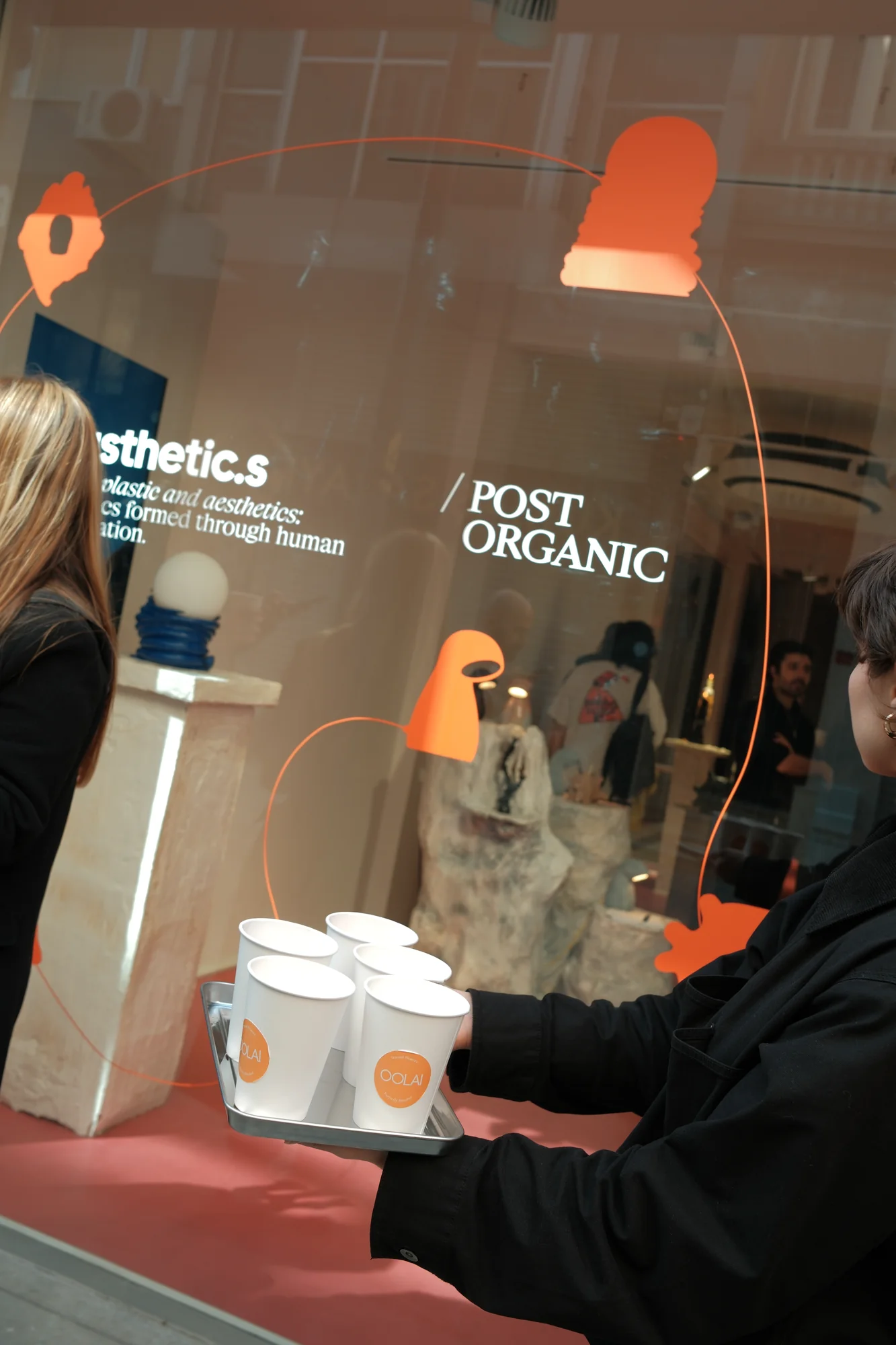
Post-Organic
An exhibition held in early 2026, gathering the first chapter of Plasthetic.s works in one room and letting them speak to one another.
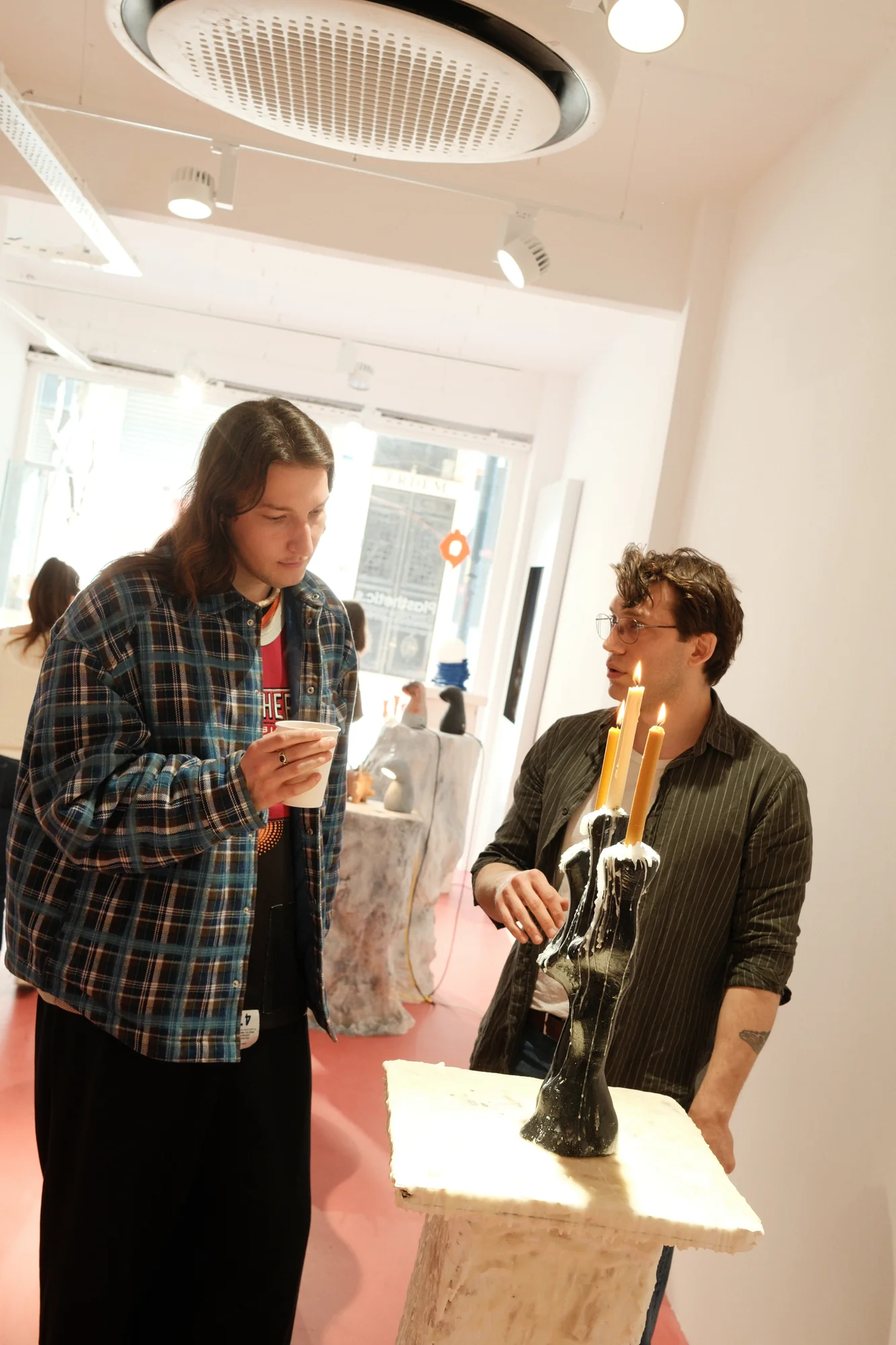
Post-Organic began as a question rather than a statement. What happens when objects made by hand, then sealed in synthetic pigments and resins, are placed together, close enough to share light, far enough to keep their own quiet?
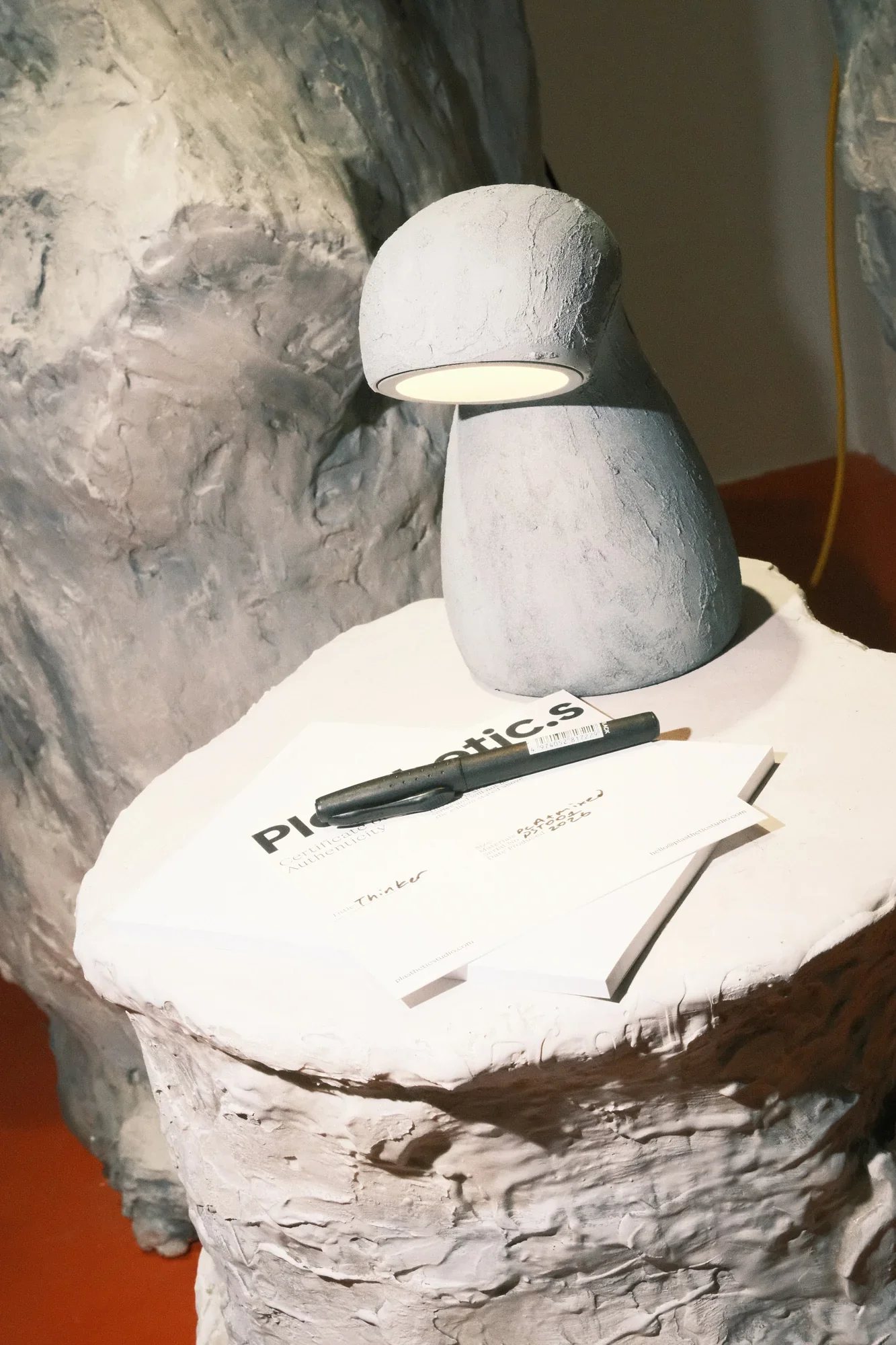
The room was kept neutral on purpose. A warm, off-white shell so that the surfaces of the work could do the talking. Plaster picked up the daylight without sheen. Pigmented epoxy held it like a slow lens. The pieces sat on simple risers; nothing in the space tried to compete with the objects themselves.
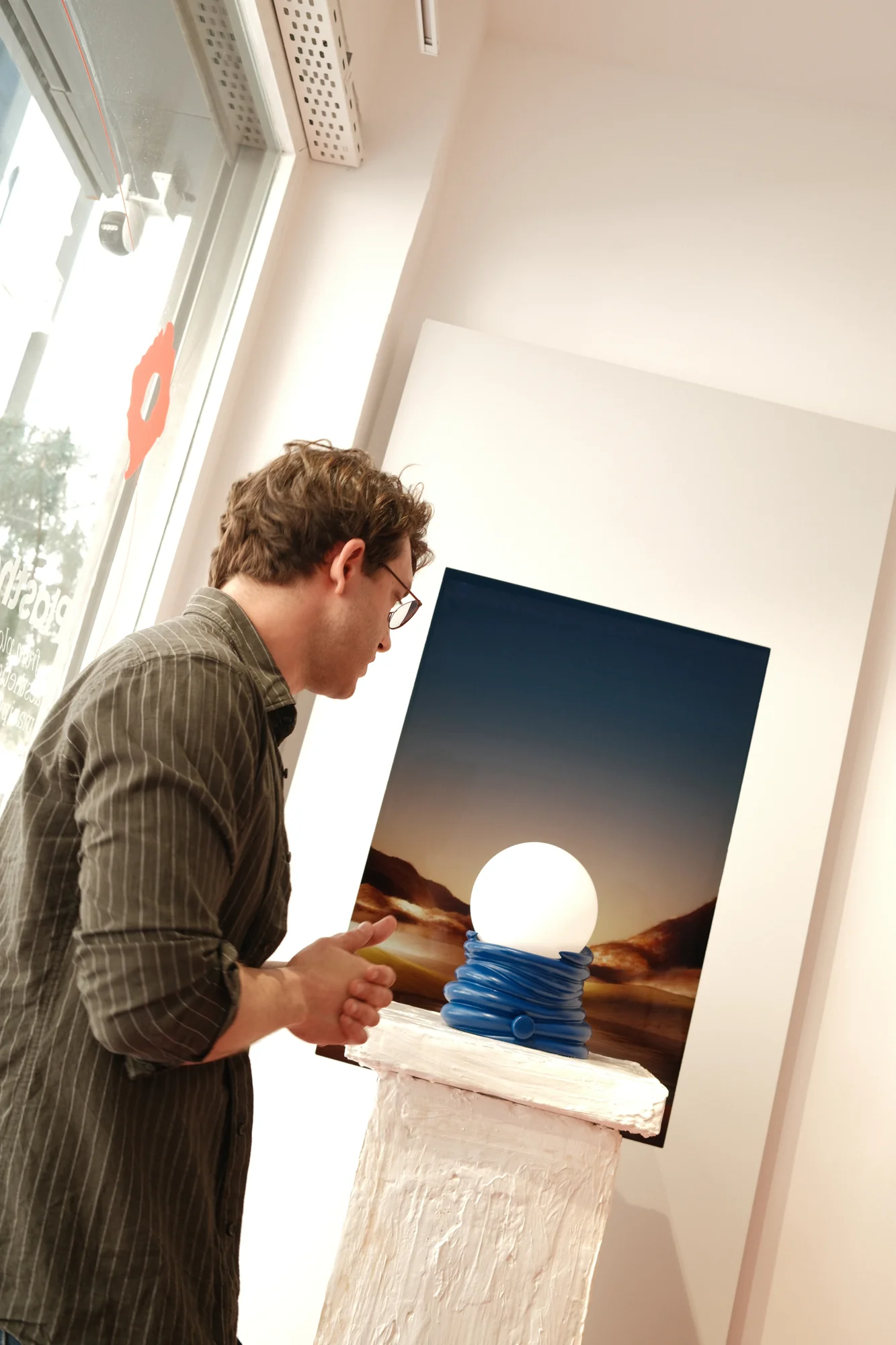
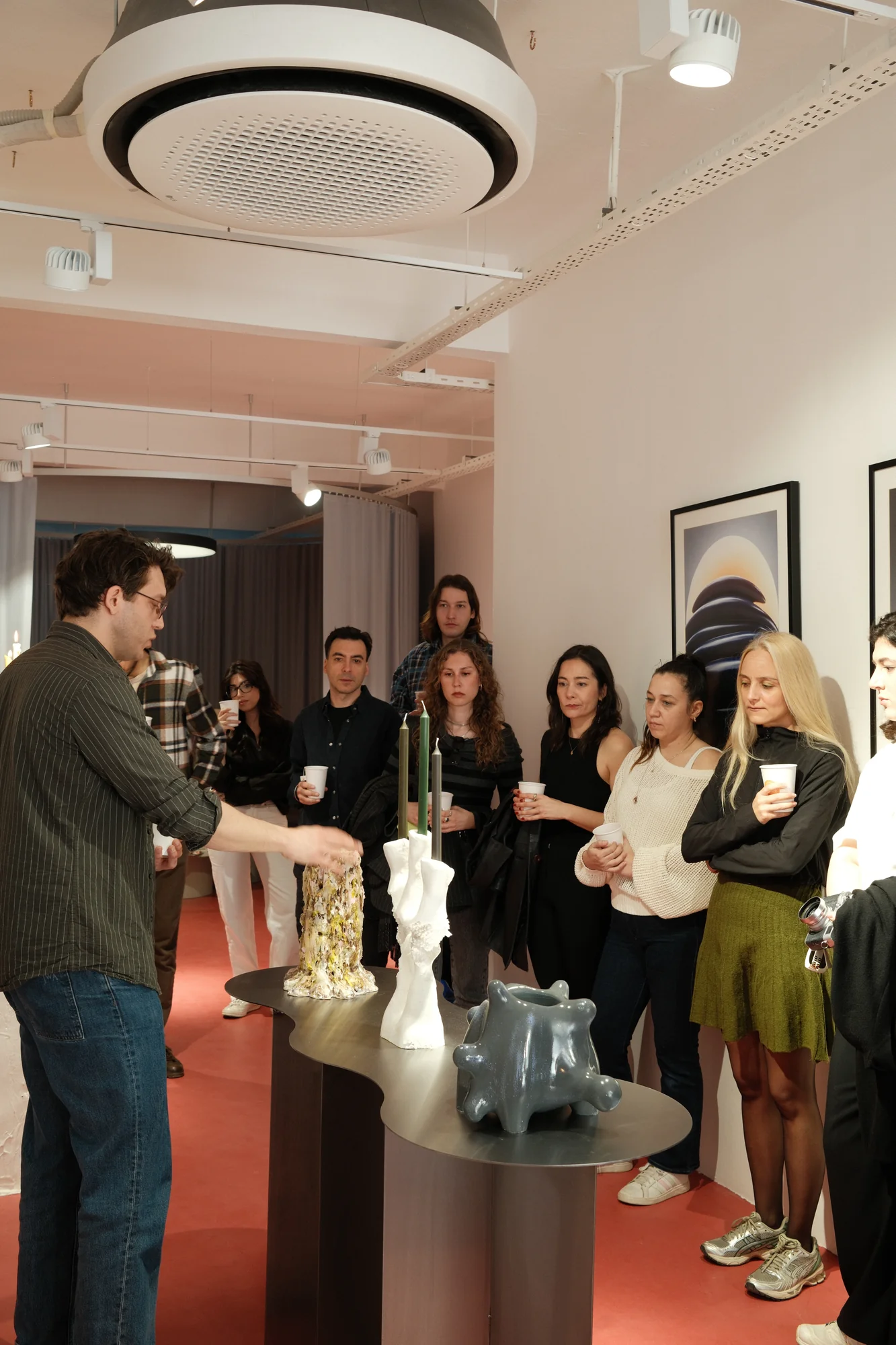
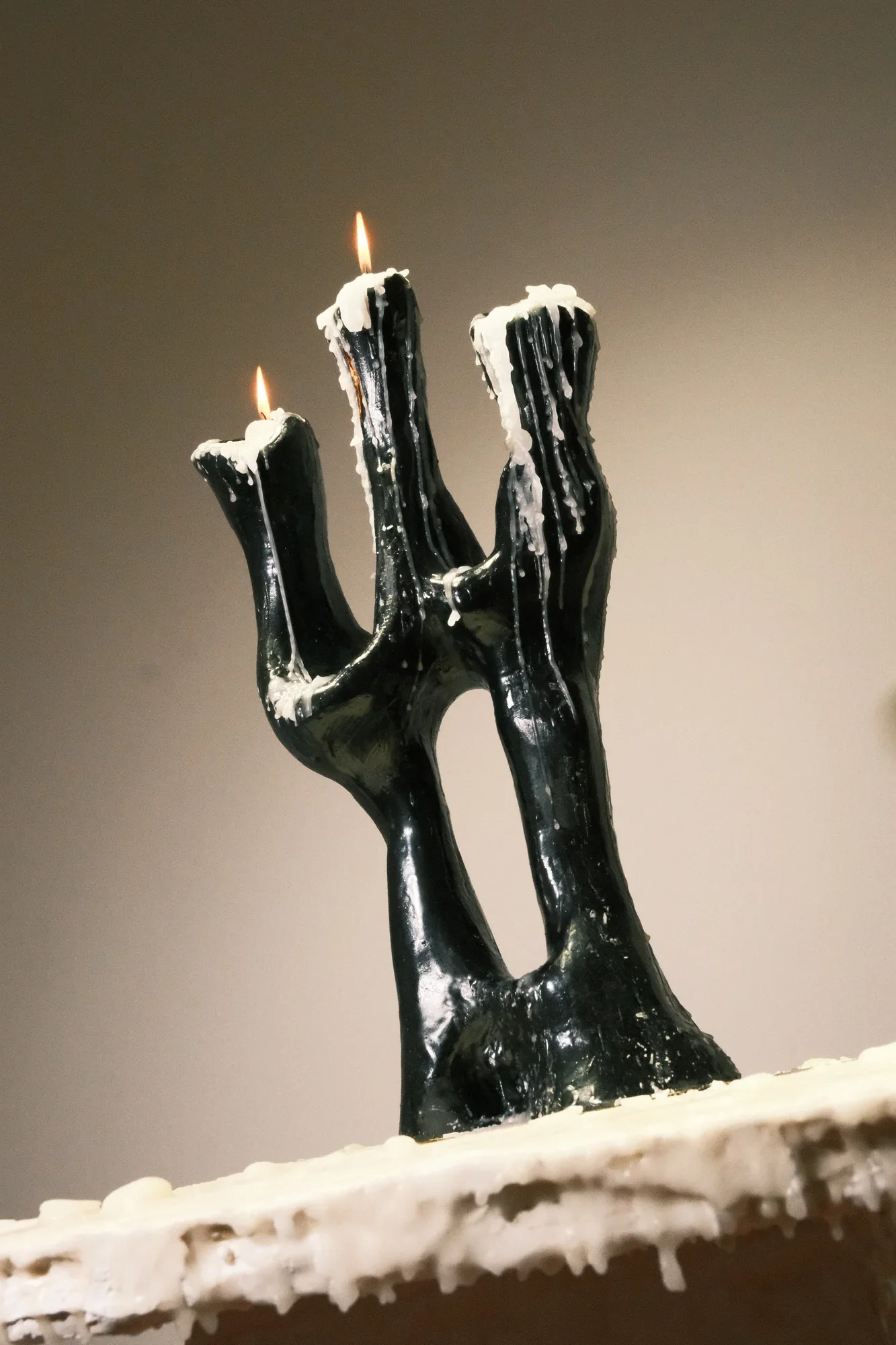
Eight works were shown across the floor. Lighting, candle holders, frames, an organizer that read more as a small terrain than a desk piece. Visitors moved slowly, the kind of slow that the room asked for, and the objects shifted, depending on where the natural light was sitting in the building.
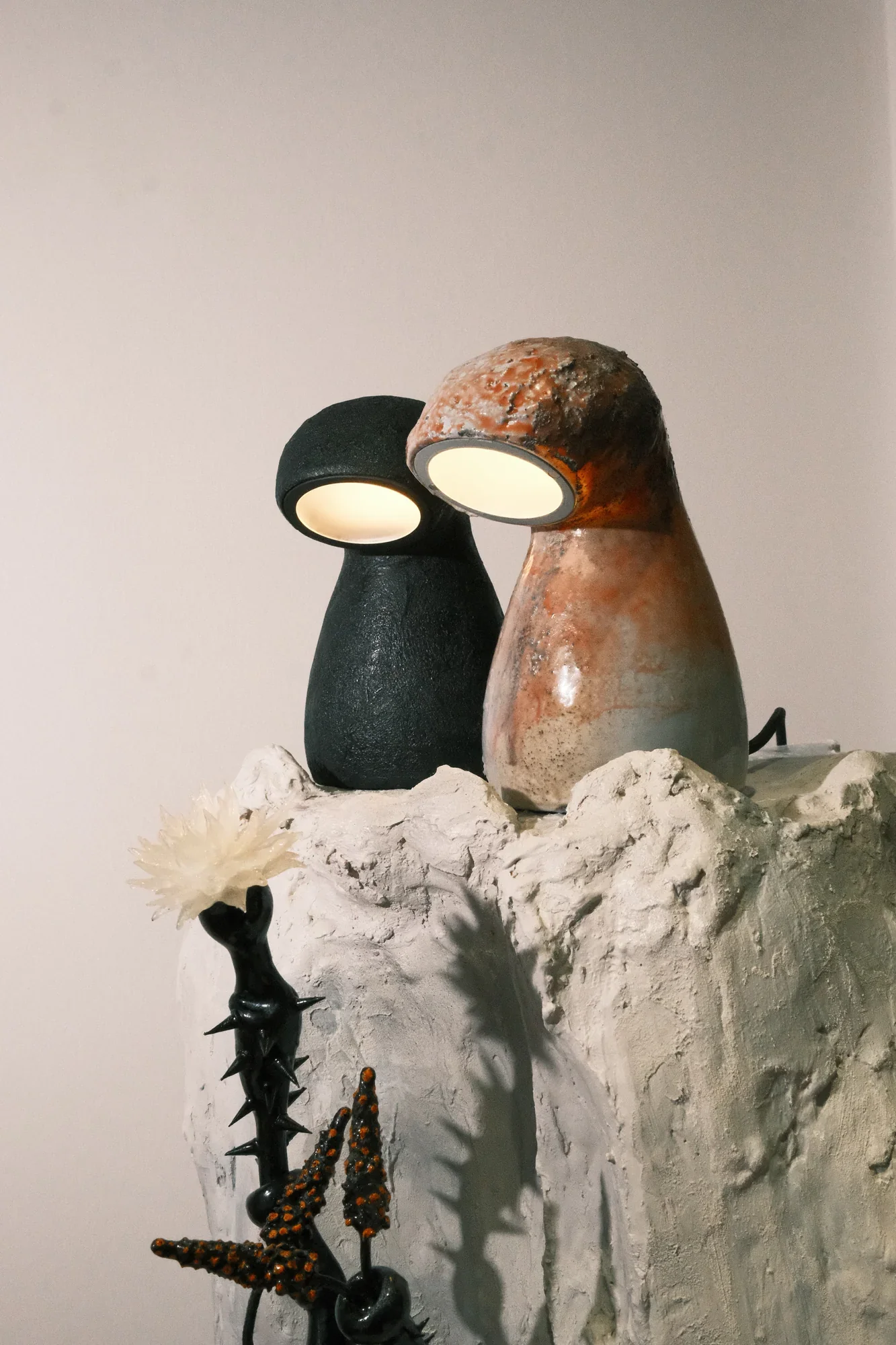
What surprised us most was how the lit pieces and the unlit pieces held the same weight. The lamps were never the centre of attention by virtue of being switched on; the candle holders kept their gravity even cold. That felt right. The work is not about performance. It is about presence.
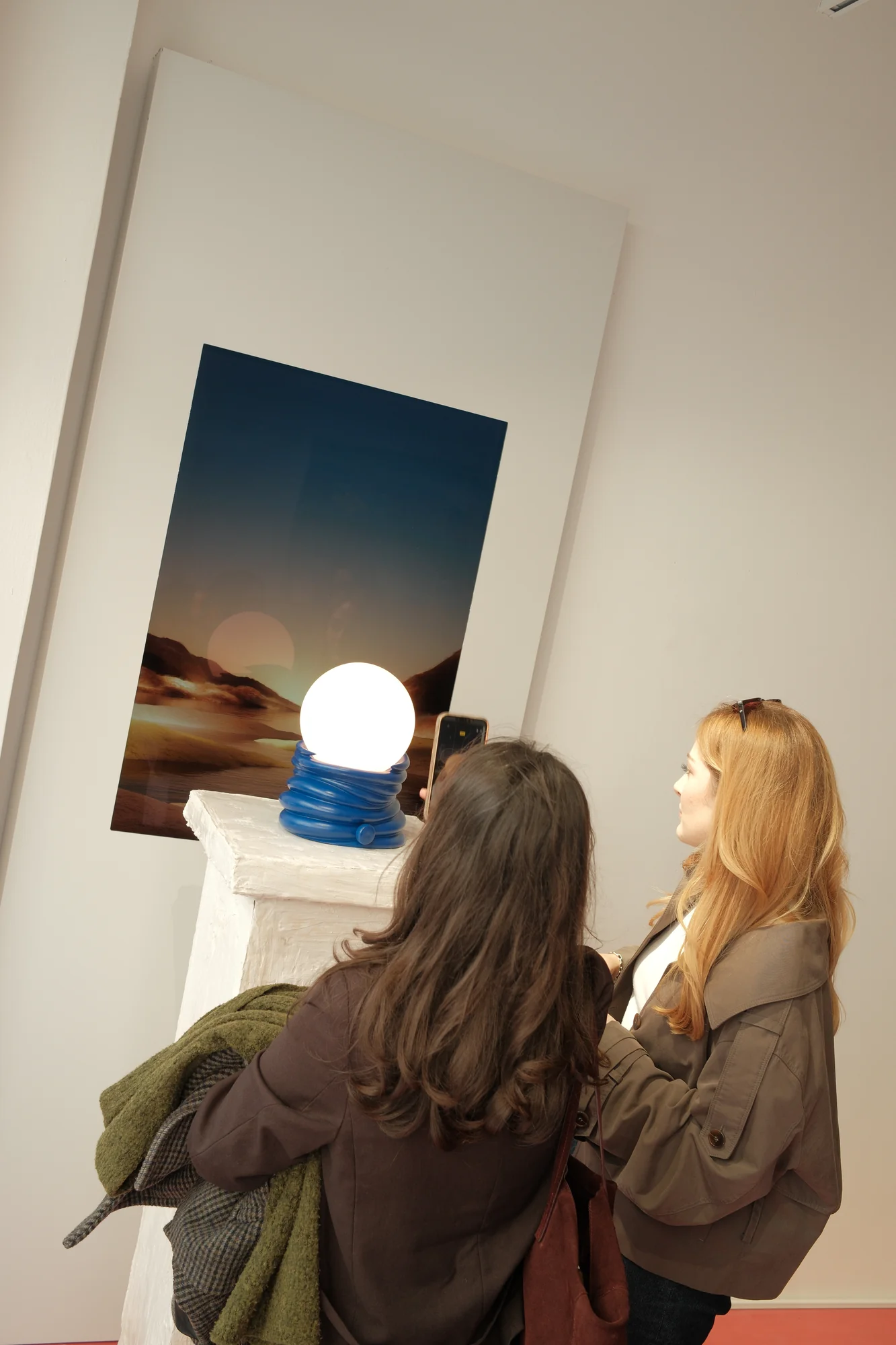
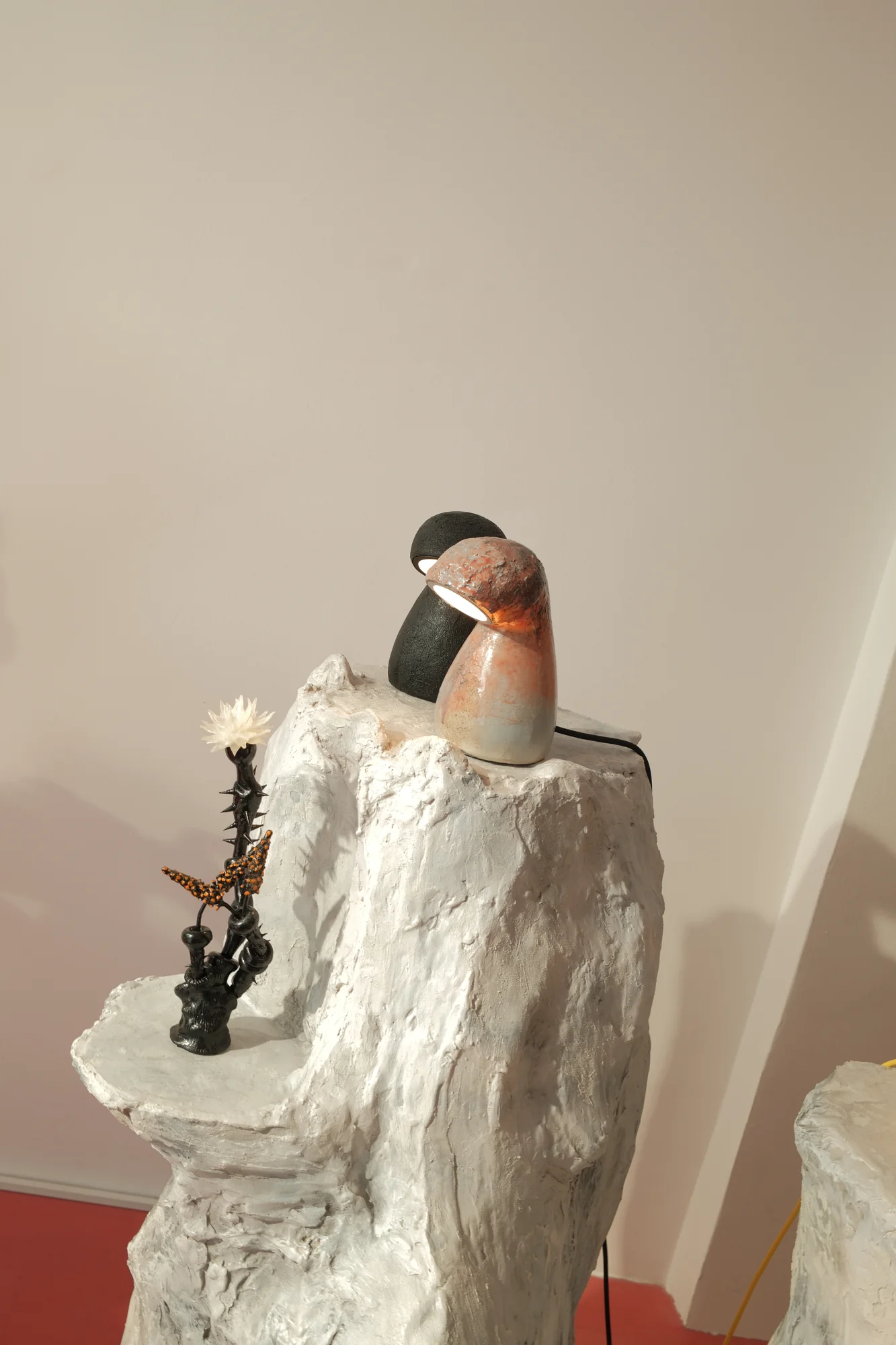
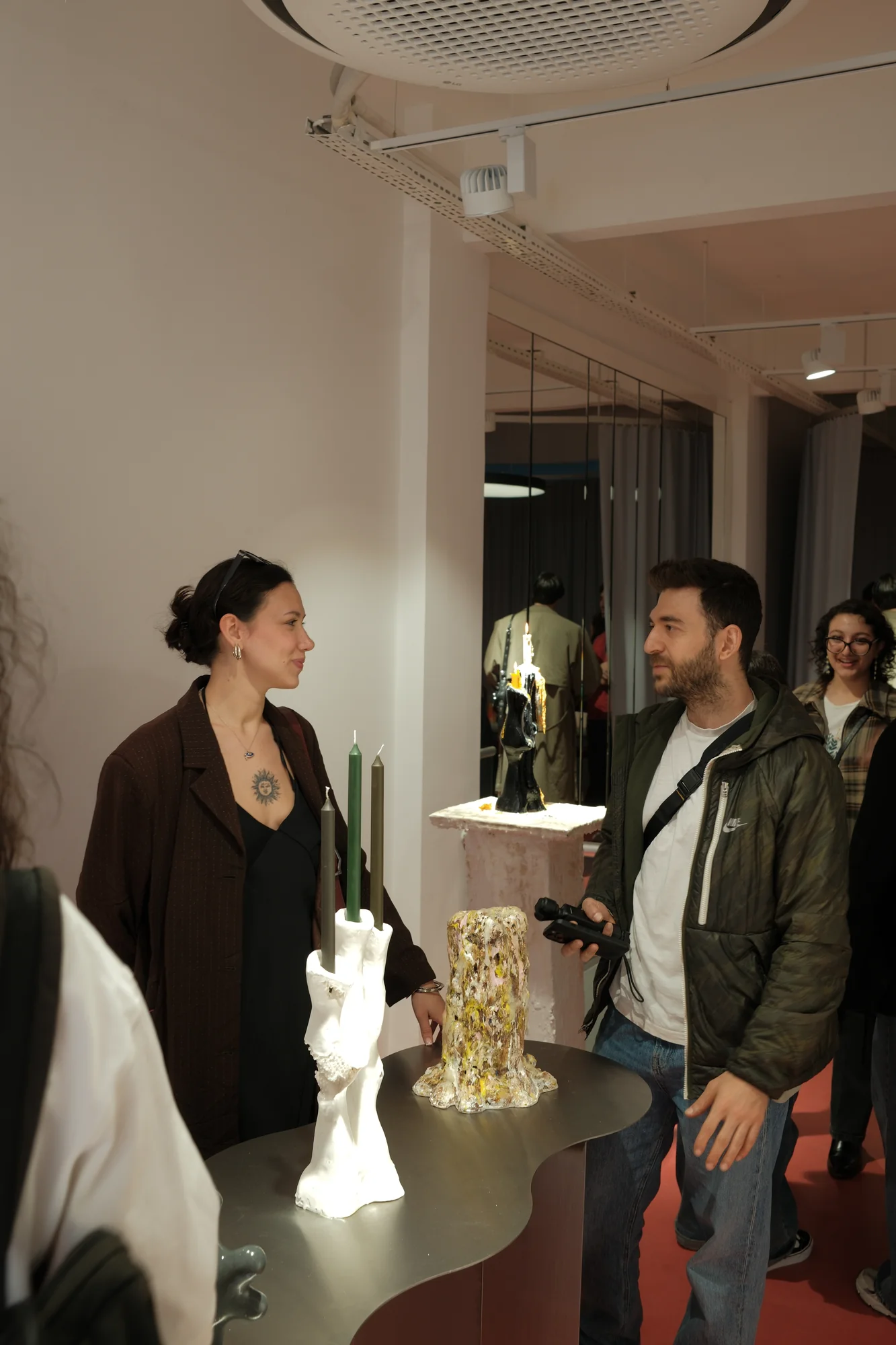
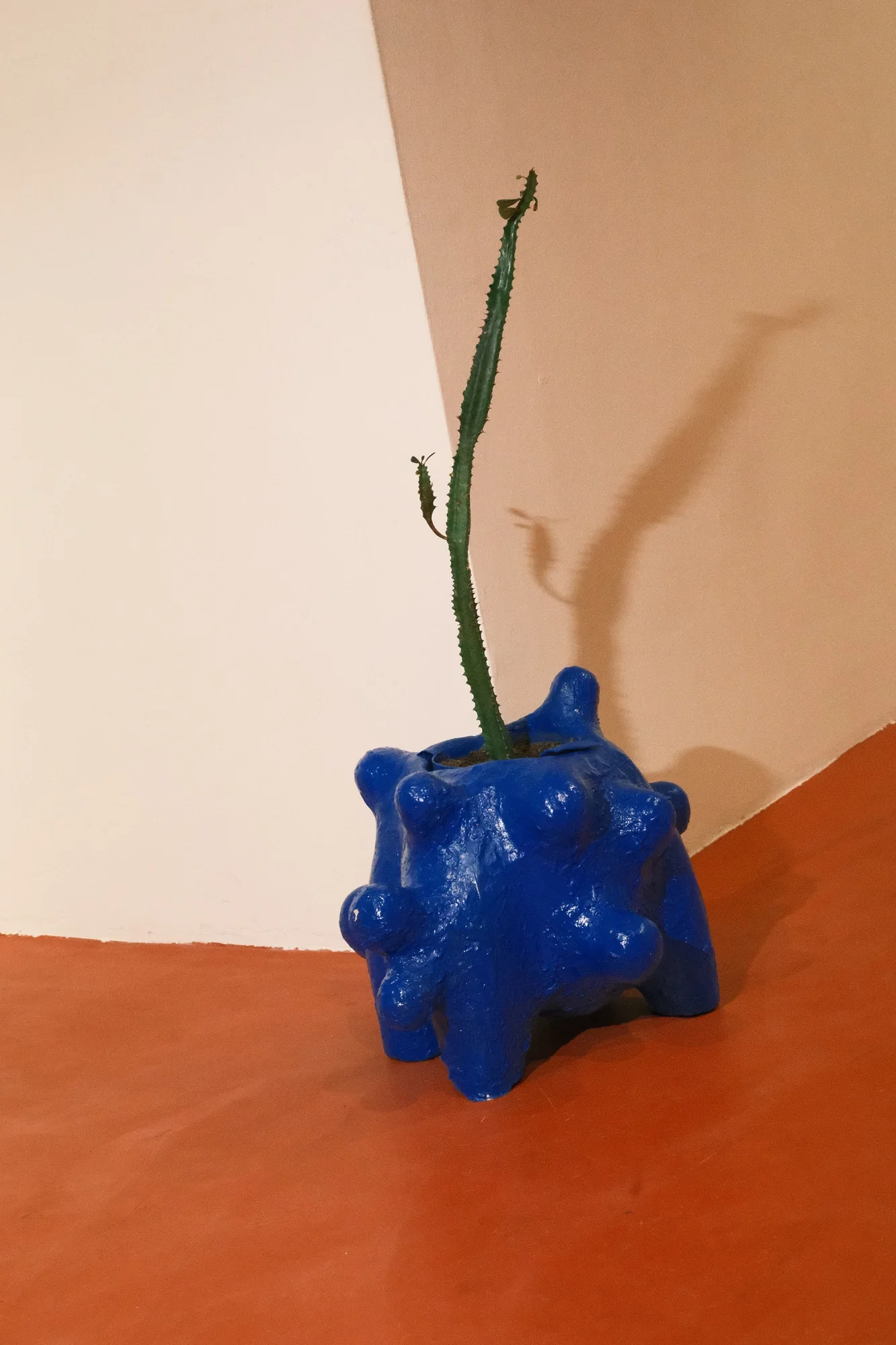
Most of the surfaces in the room began as plaster. Some were left raw, the way they came out of the mould. Others were coated in pigmented epoxy, thin layers lifted and dropped by hand, until the colour sat inside the material rather than on top of it. A few pieces used PLA as an underlying skeleton, hidden but felt.
We were asked, more than once, whether anything in the room would change with time. The honest answer is: most of it. Wax will build up on the candle holders. Pigments will warm or soften slightly in direct sun. The plaster will keep its weight but not its first colour. That is the point.
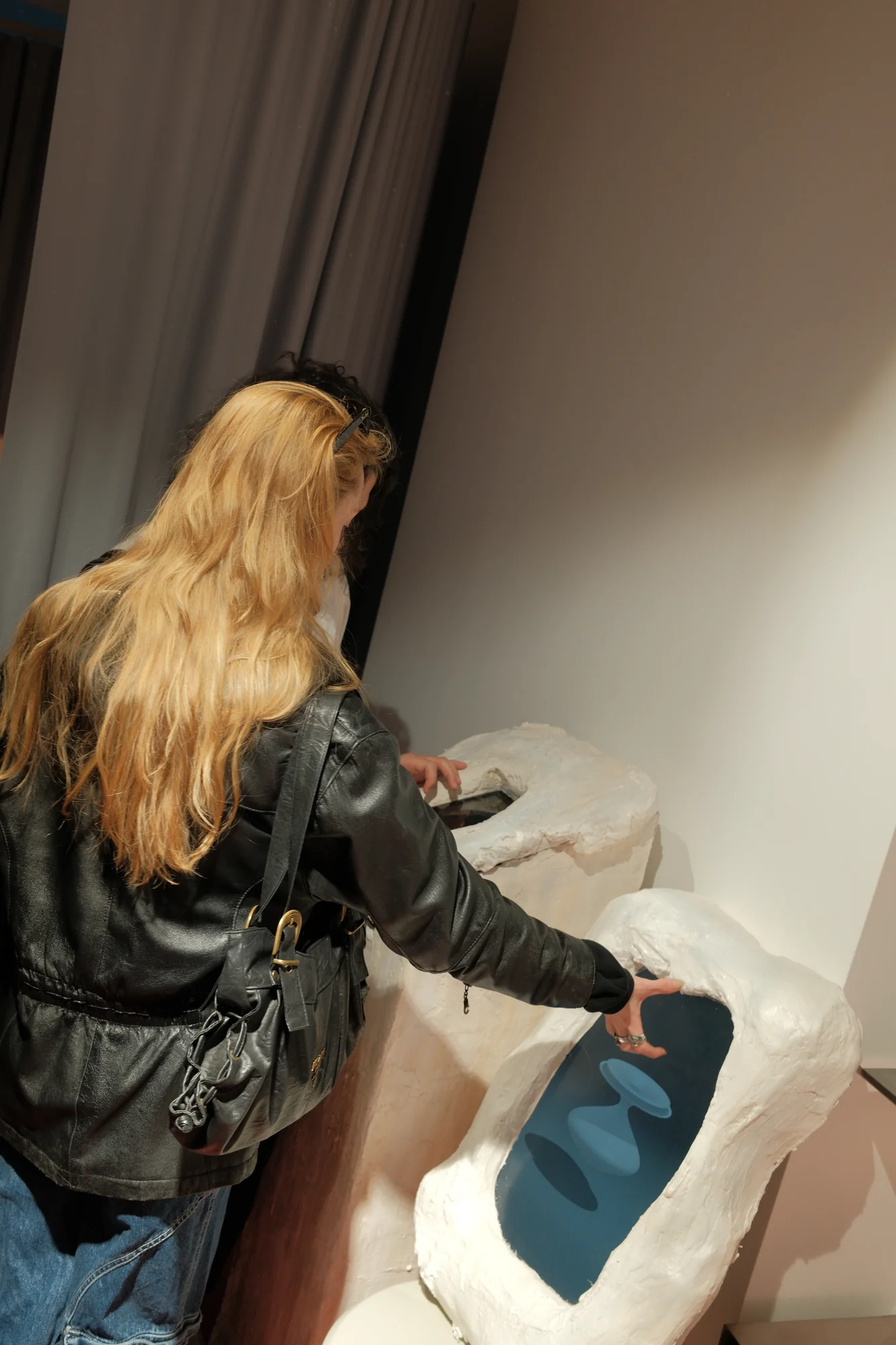
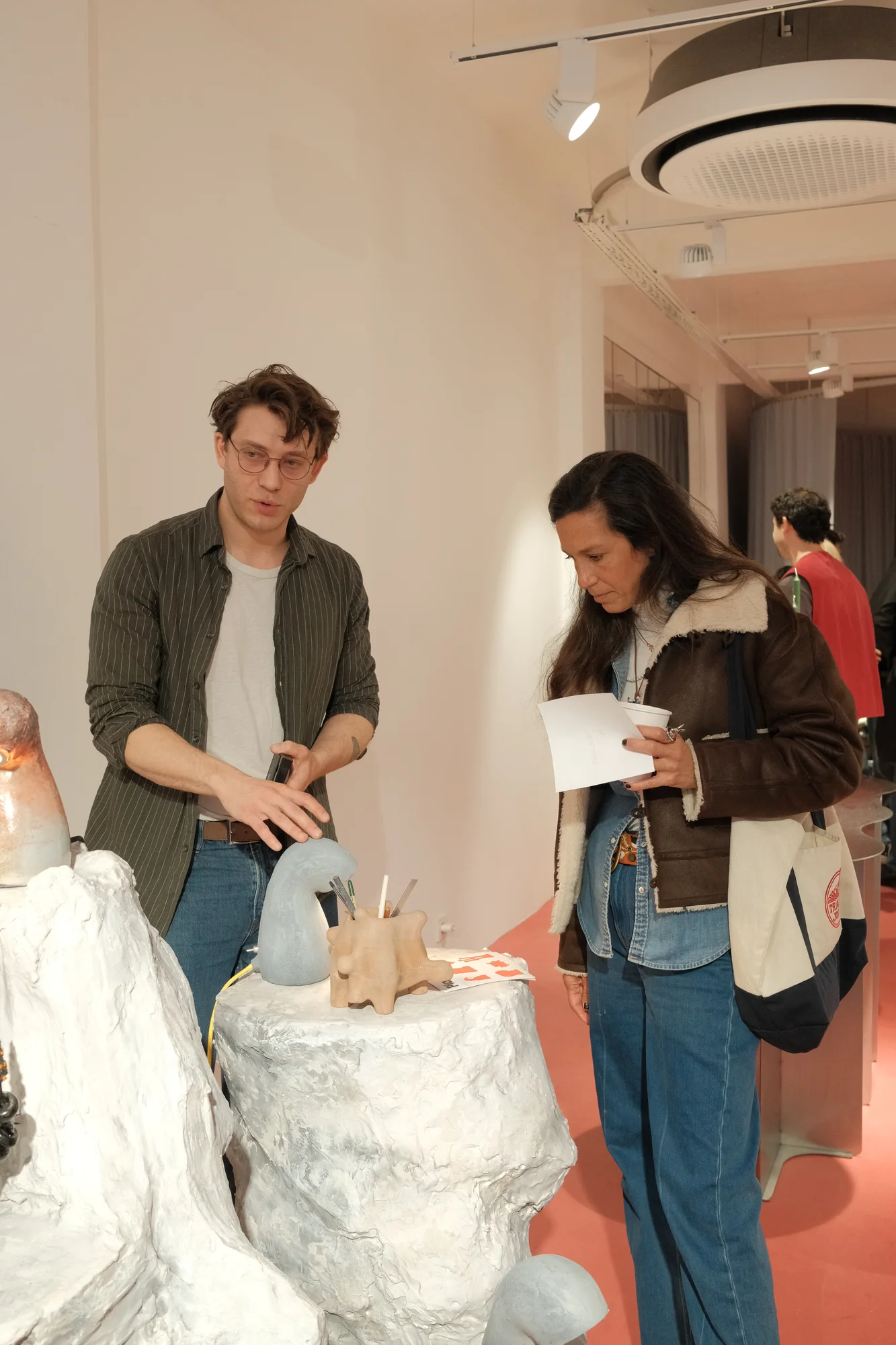
Toward the close of the exhibition we photographed the works in domestic settings nearby: a windowsill, a low shelf, a kitchen island in early light. Outside the gallery the objects stopped being a collection and became individuals again. That, in the end, is where they were always meant to go.
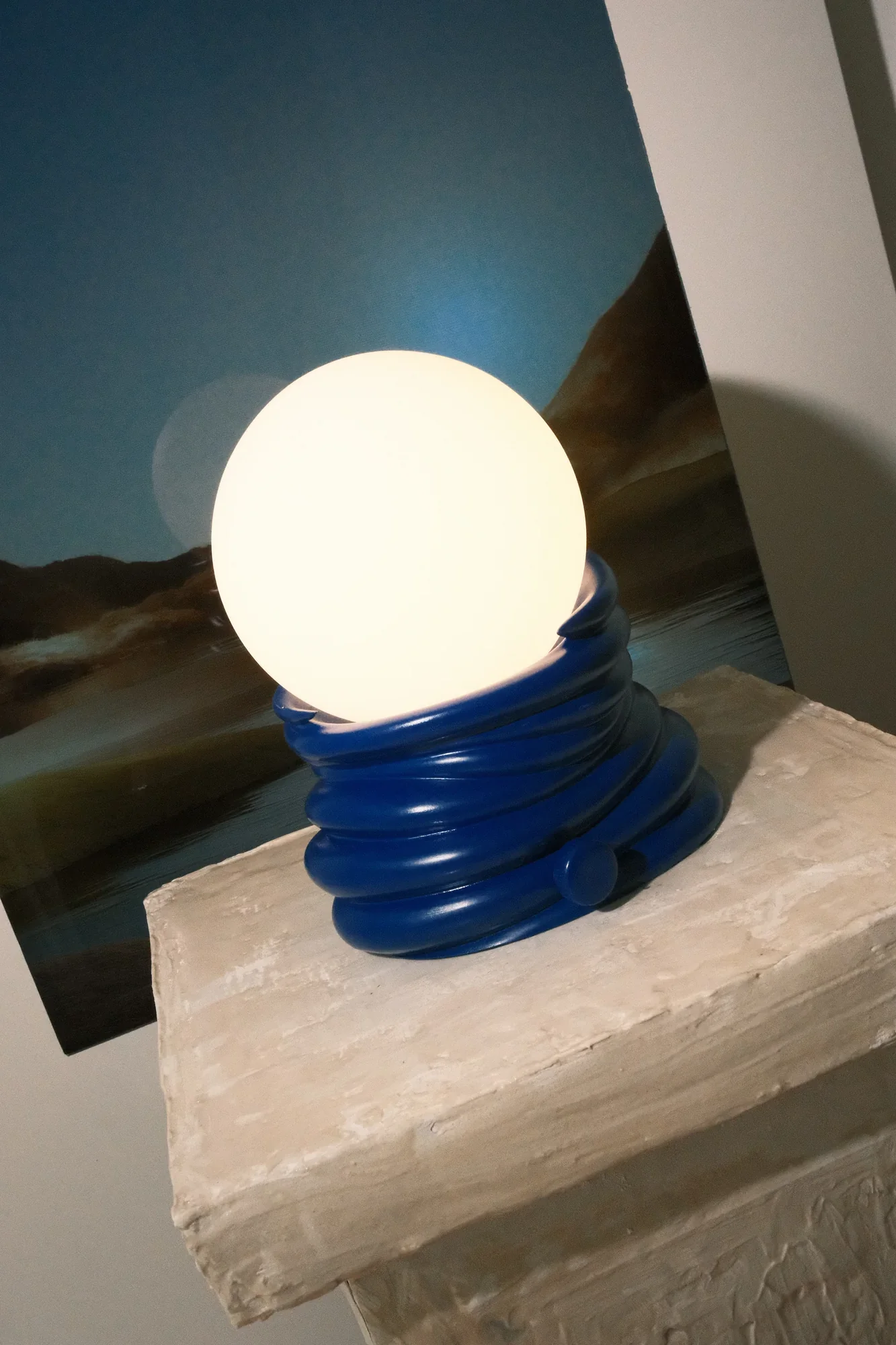
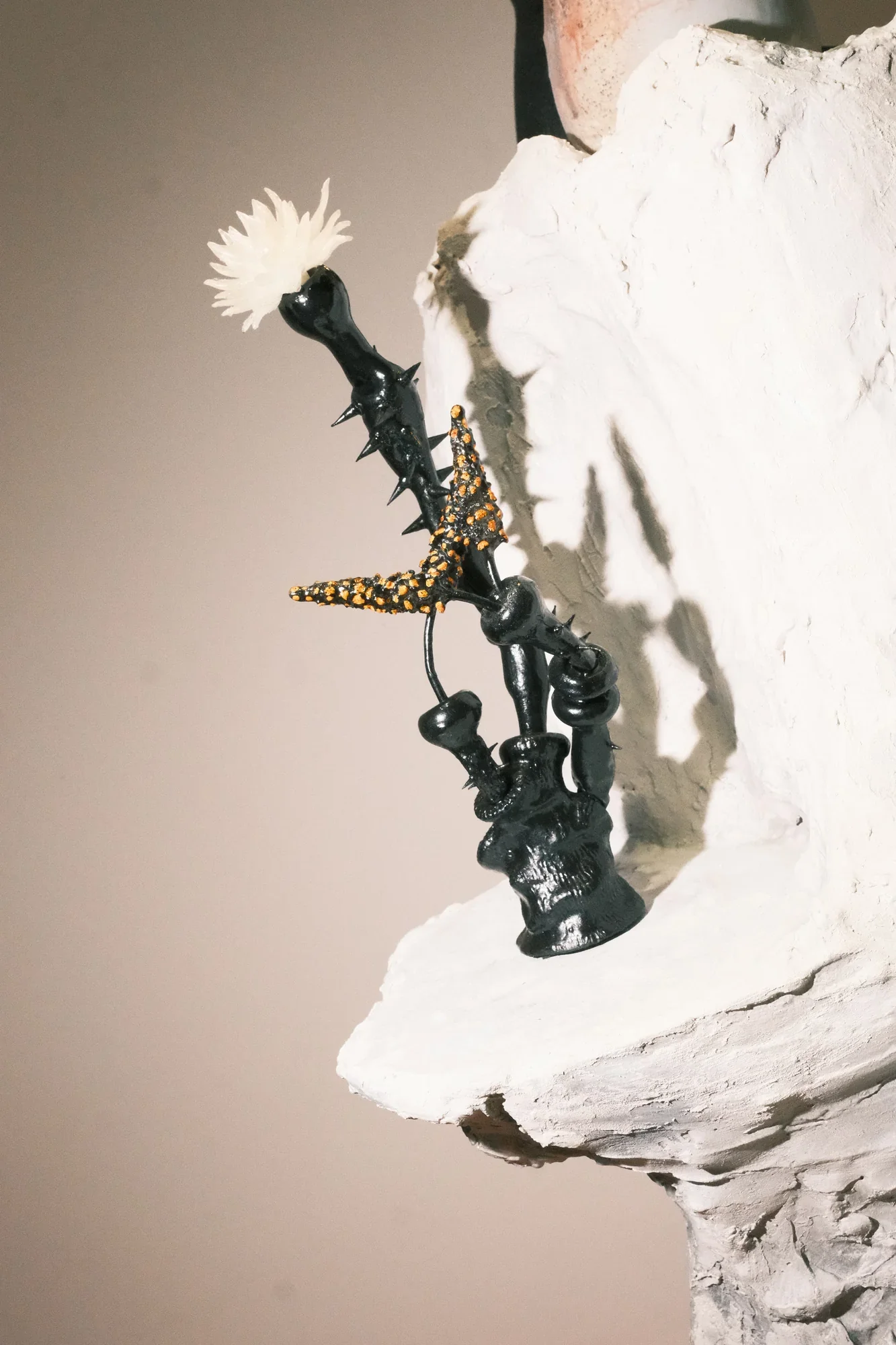
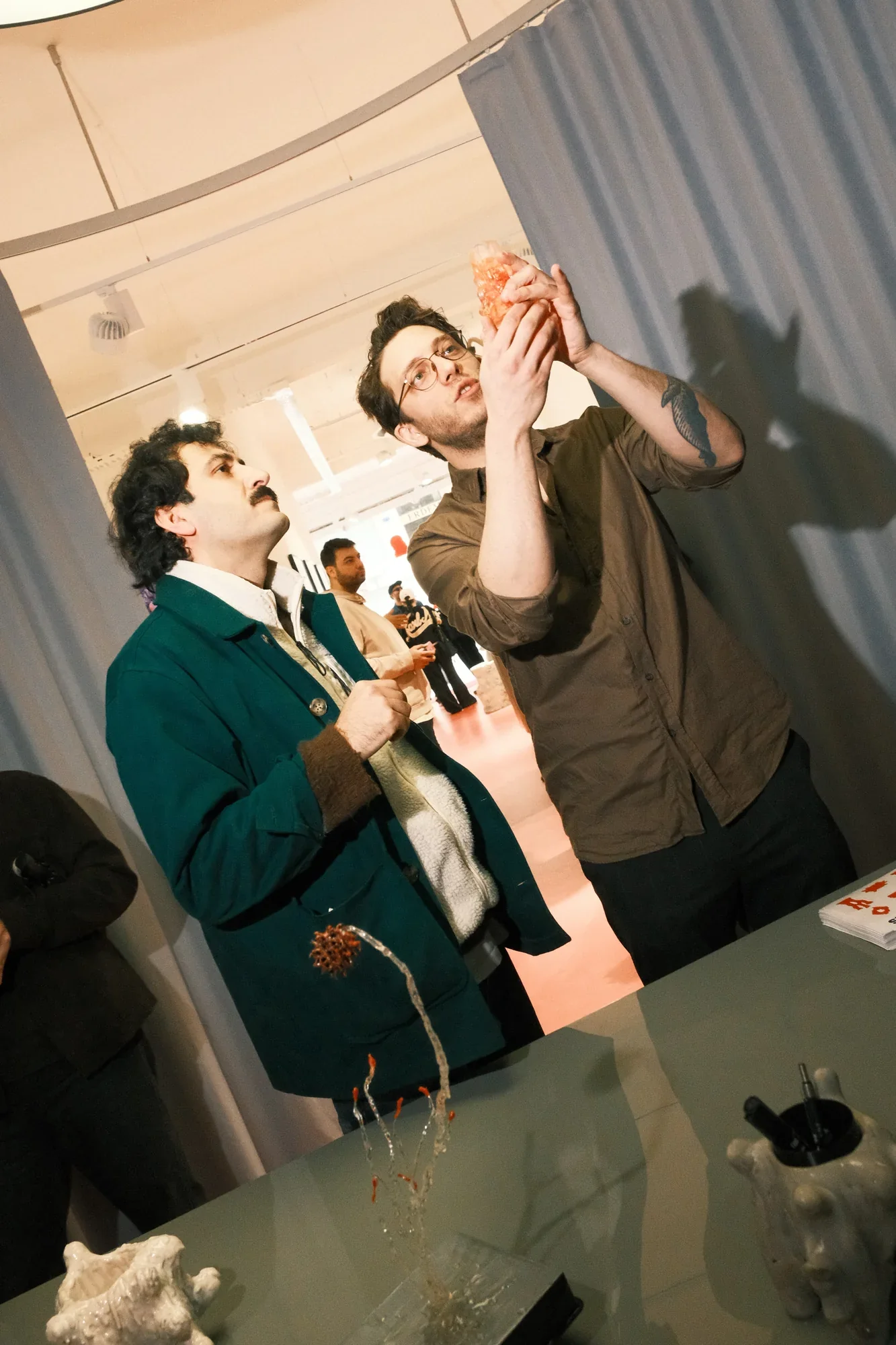
Thanks to everyone who came through, sat with the work, and asked the kinds of questions that change how we make the next one.